Tuesday, November 4, 2014

Sunday, April 20, 2014
Motivation
Recently I have found myself more motivated in multiple
areas of my life. I have been getting up early, eating better, and trying to
stay more active. While thinking about what to blog about, the chapter on
motivation really stood out. I began to wonder what had caused my sudden increase
in motivation and how I could continue to keep this motivation.
Motivation is the processes that
lead people to behave as they do. With this in mind I began to search for a
state of tension that I was trying to reduce or eliminate. Pretty quickly I came
up with multiple reasons and was astonished at how they had changed multiple aspects
of my consumption drastically. As I begin to realize some of my goals they
quickly change to keep me interested and active. I seem to have a strong drive
and have been continually improving.
As I reread more of the chapter to
get a better understanding of why I was doing what I was doing I began to see
just how strong these seemingly small changes had impacted my daily life. I am
doing different things, have a new schedule, I generally walk to school instead
of bike, something I have been doing for about 7 years! My drive has changed so
much and so have my habits. It is important to understand where your motivation
comes from to keep growing. If I did not know the source, my motivation would
not be as strong and would not have the same effect on me. From a marketing
standpoint it is important that motivation changes. People will consume
different products because they change even if it was part of their daily
routine before.

Conditioning
Like most people, I prefer to think
that I have not been conditioned; however, this is just not the case. Since the
day we were born we have been trained to respond certain ways to certain
events. Like Pavlov’s dog, we all get hungry when we smell our favorite food
even when we know we’re not going to have it. How does this happen to such “evolved”
creatures? It’s quite simple. Our memory creates relationships between past
experiences and future expectations. If it did not do this, we would have
trouble with several simple aspects of everyday life.
So now
that we understand we are conditioned, how far does it go? All you have to do
is go to any restaurant on a crowded day and watch a table that is receiving lousy
service. At the end of the day, they will leave a tip just like everyone else
even though they may have received horrendous service. It is just what we do. We
leave tips after we eat, not because the service was fantastic but because we
have been conditioned to leave one. The more often we experience this the more
likely we are to do it again, which is why we have developed “standard tips”,
usually a percentage of the bill.
One
interesting phenomenon related to conditioning is stimulus generalization, or
when similar stimuli elicit conditioned responses. Pavlov noticed sometimes
jingling keys would cause the dogs to start salivating the same as the bell
did. This is called the Halo effect and contributes too many odd responses to
situations. I personally have found myself doing this when saying goodbye to
customers in a store. I generally say “Thanks for coming in have a great day”
or something similar and have caught myself expecting them to say “you too” and
started to respond to that before they even finish saying what they are saying
which is not always “you too”. I find it odd that I anticipate everyone to say
the same thing even though they have all been conditioned different and likely
have different programmed responses to someone they do not know thanking them.
Conditioning
is a peculiar subject that explains much more about people than we realize on
the surface. The more we watch, the more we see.
Below is an image of a tip calculator by Google that has a
default setting of 15% which is exactly the average tip I leave and am willing
to bet many of you do as well. Why you may ask: you have been conditioned

Rain
The smell of rain has always been one of my favorite things
in the whole world. There is something about it that brings back memories and immediately
changes my mood. I have always wondered what caused this sensation. After
reading about perception I began to realize what may cause some of these extreme
reactions to such an ordinary stimulus. In the book “Consumer Behavior”, it
says smells can invoke memories or relieve stress. This seems to be exactly
what the smell of rain does for me. I began to wonder how this may impact my
consumption. At first I tried to think of only things that smelled like rain,
which I still have yet to find. I soon realized it had such a strong influence
on me that I actually consume things that remind me of rain even if they have
nothing to do with it. This was a very interesting insight for me and I discovered
that much of my consumption has hidden meanings behind it and may take some
effort to trace back the steps to the source of influence.
https://www.youtube.com/watch?v=aGMeKtbKdYM

Mountain Biking
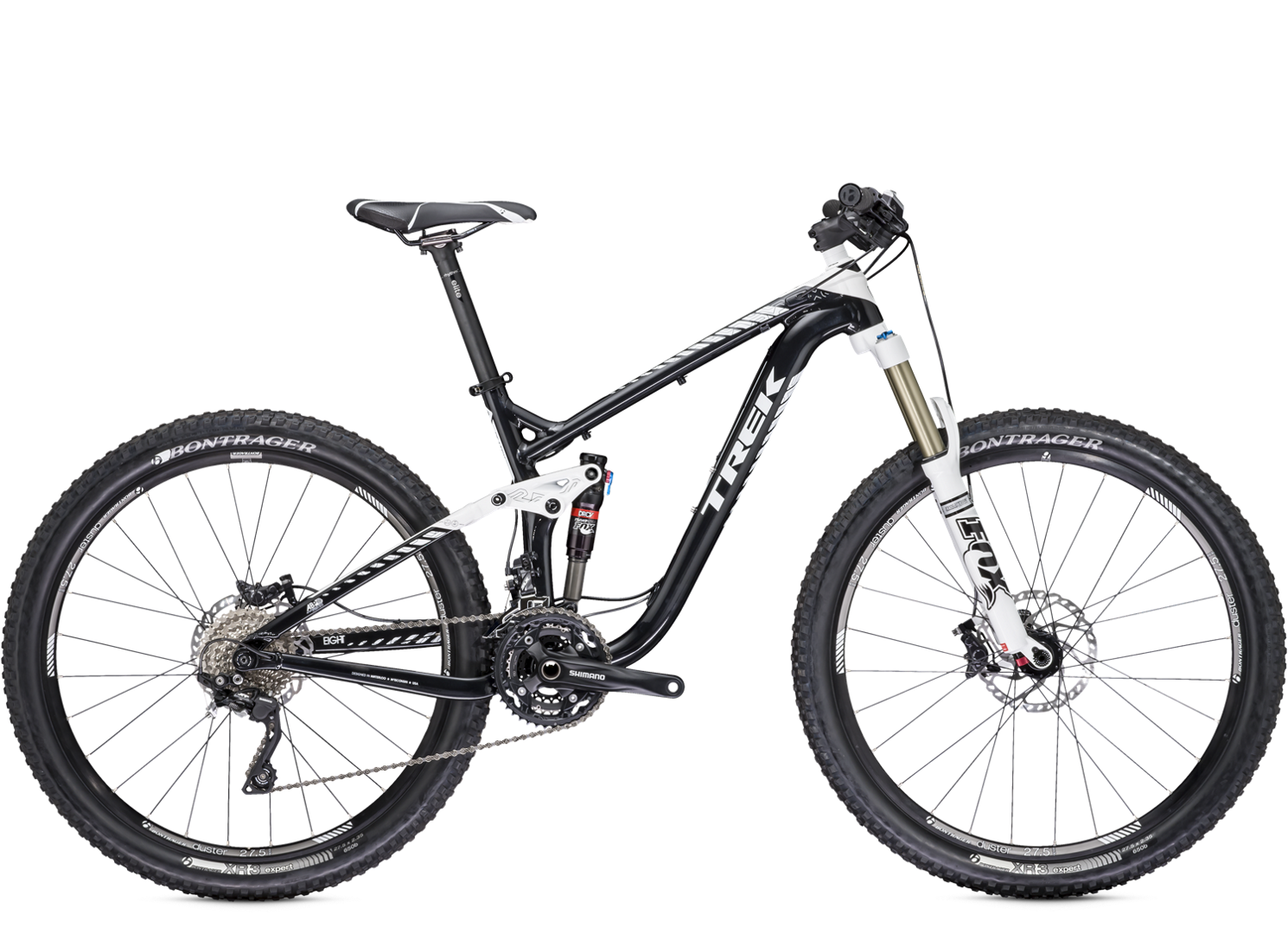

As the season finally begins to change I begin to see the
number of bikers in town beginning to increase. Bozeman is full of cycling
enthusiasts and many of them are eagerly awaiting the overdue season. Many
riders may even decide it’s time to upgrade to a new bike. Today there are
almost unlimited options in the world of bicycles. One of the first questions
you will likely be asked after entering a shop is mountain or road. This is
usually one of the easier decisions as most people already had some idea of
what kind of riding they want to do. The next few steps are where most people
end up uncertain. There are hundreds of bike manufacturers in America and each
of them has a lineup of bikes for several different purposes. Take Specialized
for example, they have 4 full suspension bikes that are designed for the
average male mountain biker. Most quality bikes these days are made in either
aluminum or carbon depending on how much someone is willing to spend. Add to
this different componentry and the recent trends in different wheel size and
each bike can have several variations. Luckily for consumers, these different
variations come in at a number of different price ranges. We may admire the
full carbon frame with top of the line components, but we are usually not
willing to pay $10,000 for a bike. Each company offers a similar lineup of
products and with all the possibilities it seems impossible to make sure you
make the right choice.
After working in a bike shop and riding several models from
multiple brands I can honestly say it does not matter very much. If you’re out
there to have fun, then the brand of your bike should have a minimal effect on
the enjoyment of the sport assuming you purchased the bike with the right
amount of suspension for the intended riding. Most companies offer similar
products with the same componentry. The real difference is often in the
suspension design. They will all have several reasons why their design is
superior but in the end they all perform fairly similar and it is difficult for
most riders to tell. So how do you make a choice out of all this? I believe it
is simple. Find the bike you are looking for and several bikes from the
competitors that are very similar and see who will give you the best price. If
you are not convinced on this method as most racers who have some sort of
sponsorship. The reason they ride the bikes they do is many times because they
were given the best deal on the bike.
Tuesday, April 15, 2014
Smashability
One concept of Consumer Behavior that immediately caught my
attention was smashability. The degree to which a product can be destroyed and
still recognized amazes me. I personally have experienced this several times. For
example, you may be walking on the street and you see something red off to the
side of the road. As you look at it you see some gold figure and immediately think
of McDonald's. People know what it looks like so well you could do almost
anything to it and still recognize it.
It seems the more smashable a brand is the more brand value
it has and the more people recognize it. Coca-Cola is said to be the most
valuable brand in the world and just the name is worth millions. Brands such as
this are incredibly easy to recognize even when they are torn to pieces.
Products that are less smashable such as old shoes where the logo has fallen
off do not have the same value. They can be destroyed and most people will not
easily recognize them.
This concept can really help a brand. If they are successful
at creating a smashable brand they have to be very well known and everyone has
to know what it looks like to be able to recognize it. Marketers try to create
smashable brands to develop stronger relationships with their customers and
create a new stronger value in their products.
Crest Toothpaste.
It seems odd to me that most people stick with the same
brand even though there are several other alternatives that could be just as
good if not better. I have experienced this myself as well. For some reason
every time I go to buy new toothpaste I always pick out Crest. The flavor may
change, but I always find myself buying crest toothpaste. I began to wonder
what it was about crest that caught my attention and why I always purchased it.
I began to think about why exactly I bought it over the competition. After not
too long I realized it was the toothpaste I grew up with. My mom used to always
buy Crest for me as a child and it seemed familiar and reminds me of my
childhood. I have developed a strong relationship with the brand and because of
it will always buy it.
While sorting through the various flavors of toothpaste, I
have often wondered which the best is for me. Eventually I usually end up
thinking they are all fairly similar and must work because they are all on the
shelves. It is amazing how much trust I put in P&G just because of their
reputation. My preference of crest seems
to follow Zipf’s law. I do not always use crest, but every chance I have it is
what I use. Somehow over my life I have become completely brand loyal to Crest.
I always use their toothpastes and have even ordered some from Amazon to try a
different flavor I could not find in a store. What started out as brushing my
teeth has turned into a long lasting relationship.

Sunday, April 13, 2014
Relationships with products.

I have always found it interesting that some people have
garages full of stuff they never use. People develop relationships with these
products and convince themselves they will wind up using them again in the
future. After watching how people interact with the things they purchase I have
come to a few conclusions.
First, people tend to believe they are more like their
actual self than their ideal self. Most people I studied surrounded themselves
with items they thought would impress other more than having any practical use
for themselves. Once they created this this ideal self by surrounding
themselves with items they were forced to interact with these items. This is
where it becomes interesting. Many people start out using the items a lot and
very quickly fade to using them rarely or never. One person described many of their products
as “completely unnecessary and over the top but something everyone thinks is
awesome”. This person is focused on their looking-glass self. They have created
a link between what others think of them and what they think of themselves
through the products they consume. In reality, many of these products are
overkill or unused.
Second, People have a very hard time letting go of many
objects. They have created sentimental value in these products and somehow link
the products to their memories. In selling or giving away the products, it is
almost as if they are giving the memories up with them. It amazes me how much
less stuff people would have in their homes if they would just get rid of the
old and unused things they have. They have no use for them but they hold on
just in case they need it one day. Many consumers attempt to get away from this
habit of hoarding by going through divestment rituals, or taking steps to
gradually distance oneself from something in preparation to separate from it. I
personally have experienced this in the process of selling things I used to
treasure. Recently I prepared to sell my Slalom longboard by gradually
convincing myself I no longer had a need for it and could better use the money
instead of letting it lose its value sitting on a shelf.
Last, consumers make choices based on prevalent information
but could make much better choices if they spent the time to research the
options. However, as “Predictably Irrational” by Dan Ariely states, sometimes we waste time
debating between two equal alternatives. For me, these are the most difficult
choices. Two perfectly even alternatives can seem like a great thing, you have
not one option that works but two! This would be the case if I didn't spend
hours researching the pros and cons of each alternative and in the process of
deciding which to spend my money on end up wasting my time just figuring out
how to spend money. That time could have easily been used making more money
which in the end may have made the choice easier. Choices are everywhere and
the less time we waste on meaningless choices, the better off we will be.
Products play a huge role in our lives. We live with them,
around them, and sometimes for them. As we face choices that define who we are
we may not realize how much of our lives are defined by our consumption
choices. There is so much more to people products the meets the eye. Next time
you’re at someone’s house take a look in their room and try to guess why they
purchased the things they did. Was it a need, something to impress themselves,
something to impress others, or something different altogether?
Tuesday, April 1, 2014
"A pictures worth a thousand word"
Photography has always been
something that caught my eye. Like most people, I am drawn to all the pretty
pictures I see in magazines, on Facebook, and countless other places. I have
always believed there was something about photography that related to me in a
deeper way. When I entered high school I bought my first real camera. It was a
Kodak point and shoot with 400mm zoom and I loved it! I began taking pictures
of anything and everything. I soon learned how to edit photos using some basic
software and began to mold the photos to my perception of what I had seen.
Cameras do not know what the scene actually looks like, so they use the
resources they have to make a guess. Using the manual mode is the best way to
control how your camera sees the world. Everyone has heard the phrase “Pictures
don’t lie”, well, that’s not true at all. As everyone knows with Photoshop you
can do nearly anything to a picture. Photography is not objective. It is
subjective. Many people will claim this is all a recent development because of
Digital Photography. Again, WRONG! This picture of a tree is from 1969 and was
taken with a film camera. Jerry Uelsmann was a photographic genius and is still
producing one of a kind prints from negatives to this day.
Untitled, 1969

Homage to Man Ray,
1997

Paul Caponigro 1964
 The picture of an apple is perhaps one of my favorites and
was taken in 1964 by Paul Caponigro. Most photographers try to create something
that is aesthetically pleasing even if it distorts reality. Photography can try
to capture reality but no matter how hard we try it will always be subjective.
As a photography student I experimented with darkroom printing techniques and
began to understand that this is not at all a recent development of digital
photography. Dodging and burning are old techniques that are used to control
the amount of light that hits a specific part of the emulsion and can control light/dark
areas.
The picture of an apple is perhaps one of my favorites and
was taken in 1964 by Paul Caponigro. Most photographers try to create something
that is aesthetically pleasing even if it distorts reality. Photography can try
to capture reality but no matter how hard we try it will always be subjective.
As a photography student I experimented with darkroom printing techniques and
began to understand that this is not at all a recent development of digital
photography. Dodging and burning are old techniques that are used to control
the amount of light that hits a specific part of the emulsion and can control light/dark
areas.
Next time you look at that beautiful $3000 print in some gallery
just remember this: Every photograph is the photographer’s depiction of his own
memory, not the truth. For me, many of my photographs are not even supposed to
capture reality. I try to create a new world through my photographs. I do not
care what others think of my photographs, I just try to create something
beautiful that reminds me of a place I have been but shows me the things I may
have missed.
Every time I look at an advertisement photo I now try to
imagine what the photographer did to achieve the photograph. Photographs
capture our emotions, and that is why they sell. You may have a perfect print
but if it doesn't speak to us at a deeper level it will never sell. I am
curious to see where photography is headed in the coming decades. It has
constantly been progressing and will continue to do so and find new ways to
capture our attention. Photography plays a huge role in advertising and as
photography changes, so will advertising.
The following photograph has obviously been heavily edited. Following
it are the steps I took to get it there.


Sunday, March 23, 2014
The ocean.

As I return from a wonderful few days in San Diego
California I can’t help but wish I was still there. There is something about
the cool ocean breeze, the warm sunshine, and the sunlight dancing in the
reflection of the ocean. I visit San Diego about once every year, and for some
reason I always find myself wishing I was there longer. There is just something
about the sights and the smells that reminds me of my childhood vacations. Each
time I return I have an almost identical sunburn within the first two days, the
taste of saltwater in my mouth, and a longing to be by the ocean. There is
something special that keeps me coming back and I am not completely sure why. I
always spend a majority of my vacations in the ocean either swimming, boogey
boarding, kayaking, surfing, playing Frisbee, or anything else I can think of
doing. Even now as I write about it I can almost smell the salt on the breeze. I
know if I try to find why the ocean draws me back I will not find it. It has
become something more than a memory for me. This connection influences many
decisions I have made and many decisions I will make. It is but one of many
mysteries of my life which I may never solve. I believe every person has a
similar passion and weather they know it or not, it is a fundamental part of
who they are and who they will become. They silently guide us through life and shape
our decisions. In the end, it is but a dream.
Free?!
After reading Predictably Irrational, I have become
fascinated with the concept of FREE. I often find myself being caught by the
trap and was very interested in the possible reasons I can’t help but take
nearly every free thing I lay my eyes on. I realize I am not alone in this
practice but it still fascinates me how much impact something free really does
have. I have seen people wait in lines for hours for “Free” things. There is
something special about getting something and giving nothing in return. We are
so used to having to pay for everything that when we see a small gadget that we
will never use with a free sign we simply have to have it. All these free
things pile up somewhere in a closet and eventually we throw them away without
ever using almost all of them. Most of us even recognize this before we take it
but in the end we wind up with the free things anyway. Is all this stuff truly
free? At the last career fair I decided at the beginning to only take one
specific item. I was not there to get free things to fill up a shelf in my
closet; I was there to try to find an internship. So while I was walking around
looking for employers that caught my attention, I found the item I was after.
As a photographer I am constantly transferring photos from one computer to
another and again to another. During this process many of my flash drives have
managed to vanish into thin air. Add to that the others that have somehow
managed to stop working, and I find myself replacing them more than I should
be. For some reason over the past few semesters the number of companies with
free flash drives at their booths has greatly increased. At the end of the
spring career fair I found myself with 5 new flash drives! I could have
purchased 5 of them of similar quality and size for probably less than $5, but
because they were free I feel I gained more value than I would have if I had
paid for them. I often wonder how much benefit comes from me taking a flash
drive with some random company’s logo on it. The career fair is supposed to
attract people looking for opportunities, not for trinkets. It seems odd that
the companies have to spend money on these little items to give away at a booth
when they have lines several people long begging to get a chance to interview
with them. Take Boeing for example, they hire from MSU every year, have a
strong reputation in the community, are very well known, and still give away
free things. I wonder how many people have ended up finding a job because they
saw something cool on a table and went to grab it and ended up starting a
conversation with the person at the booth. In the future I plan to create some
sort of experiment to test this thought. Free things are never free for
everyone.
Thursday, March 6, 2014
Does cost=quality? fishing reels
The first time I
looked at all the shiny reels in the case at Troutfitters two
things caught my attention. The quality of these reels seemed to be much higher
than the $25 one I had previously purchased. I took a few out to play with and immediately
was impressed with how smooth they spun. The perfect clicks they made sounded
like precision. I was so amazed at the difference in visual quality I hardly
noticed what the employee was saying about sealed drag systems and durability.
The next thing I noticed was the price. $300 for a reel! That’s ridiculous, who
would pay that much. Well as it turns out two years later, I did. I purchased a
Ross evolution lt to pair with my Winston boron IIt. The difference the reel
makes was immediately noticeable not in the ability to catch fish, but in the
balance of the rod. I noticed it felt better in my hand; the whole thing seemed
to be lighter and hardly felt like I was holding anything. I didn't plan to use
this reel for catching huge 20lb salmon or anything, just the average 10-16
inch trout in some of the small rivers and streams in Montana. While in
California over the summer I had the opportunity to try to catch some salmon.
For this I purchased a new setup from Cabelas. The reel cost about $80. With
this reel and its non-sealed drag system I managed to hook 9 salmon ranging
from about 10-20lbs. I didn't land a single one not because I wasn't using a
$300 reel with a more powerful waterproof drag system, but because even on this
reel the drag system was stronger than the line I was using. With the drag
fully engaged the fish would simply snap the line. Over the days of salmon
fishing I managed to hold a king on the line for about an hour and the reel
survived flowing down rapids being completely submerged and much more abuse
than I imagined I would put it through. In the end I did not even clean it and
it still worked perfectly. Recently I found a company that has the benefits of
a $300 reel but costs only $150. I immediately jumped on this deal and found myself
with a new Allen Trout II reel. Immediately I noticed a weight difference
between it and the Ross, however, it balanced the rod perfectly so the lighter
reel would have been worse in this case. After a few months of fishing all I can
conclude is that it preforms just as well as the $300 reel for half the price!
It still has the flashy color options, lifetime warranty, and fully sealed drag
system. The difference is in the reputation. Allen is a small company trying to
build its name while Ross is in nearly every fly shop. So when it comes to
buying a new reel, price has little to do with quality. Many of today’s reels
have tons of excess stopping power which you will never use. There are so many
reel options out there today it is easy to find an affordable reel that will
balance your rod and perform well for the rest of your life. They may not be in
the fly shops around town, but someday they will be. The choice is yours,
either wait for them, buy them online, or spend around double the price for
similar quality.
Thursday, February 6, 2014
Troutfitters Photo Contest
I have always wanted to enter the Troutfiters photo contest, but never got around to staging photos with my Troutfitters gear. I just looked at the 2013 winners photos and something caught my attention. Many of these photos look very staged with the gear just as I was thinking of doing. These are not pictures of people fishing, they are an attempt to win a prize by putting the logo in a photograph. it seems there are a large number of people who enter these contests and only a few win. I wonder how much effort people put in to try to win one of the main prizes. The consumers seem to have more than a normal relationship with the company. They look forward to the contest each year and plan out their photos to try to win the contest. While thinking of ways to win the contest myself I couldn't help but notice the same things. I have tried to stage a few photos with my hat and now i always take one of my Troutfitters hats fishing just in case a great opportunity comes up. it seems the contest has actually made me a more loyal customer. At first I thought it was a simple way to get pictures to use in advertisements, but now I realize it may be more than that. It is a way to connect with customers and gain their loyalty. The prizes they give away are no small trinkets, they are things such as an $800 rod, $500 rod/line combos, $300 waders and others. These prizes have created followers as they are pretty much the same each year. I too, admit to being one of these followers waiting for the perfect opportunity to win one of these amazing prizes.
Subscribe to:
Comments (Atom)